Evaluating Enamel Saucepans: Practical Insights for Your Kitchen
What is an Enamel Saucepan?
An enamel saucepan is a type of cookware that combines a metal core—often carbon steel, cast iron, or aluminum—with a fused glass coating known as vitreous enamel. This glossy, porcelain-like surface is fired at high temperatures to create a non-porous, smooth finish that can withstand heat and prevent the base metal from reacting with food. Unlike raw cast iron or untreated steel, the enamel layer eliminates the need for seasoning and resists rust, making it easier to maintain while still offering excellent heat distribution in many models.
You’ll find enamel saucepans in a wide range of sizes, typically from one to four quarts, with a long handle and a pouring lip. The coating can be applied to both the interior and exterior, and it is available in a variety of colors. The result is a versatile piece of cookware that sits comfortably between the durability of traditional metal pots and the aesthetic appeal of ceramic. Its design is rooted in both practicality and tradition, having been a staple in European kitchens for generations before gaining worldwide popularity.
Why Consider Adding an Enamel Saucepan to Your Collection?
Several practical factors often lead cooks and home chefs to explore enamel saucepans. Understanding these motivations can help you decide whether this type of cookware aligns with your cooking habits.
- Non-reactive cooking surface: The glass coating prevents acidic ingredients like tomatoes, wine, or citrus from leaching metallic flavors into your food. This makes it especially appealing for simmering sauces, fruit compotes, or delicate reductions.
- Visual appeal and stove-to-table serving: Enamel saucepans come in colors that can complement kitchen décor. Their attractive finish means they can go directly from the stovetop to the dining table, reducing the need for separate serving dishes.
- Ease of maintenance: The smooth, non-porous surface resists staining and does not hold odors. Hand-washing is usually recommended, but many enamel saucepans clean up quickly with mild detergent and a soft sponge.
- Heat retention and gentle cooking: Enamel coatings on cast iron or heavy steel cores excel at holding steady temperatures, which benefits slow simmering and melting tasks without scorching.
Benefits and Practical Strengths
When used within their intended limits, enamel saucepans can perform admirably for everyday tasks. One of the main benefits is the balance they offer between thermal stability and a lightweight feel. While enameled cast iron saucepans are heavier, those built on carbon steel or aluminum strike a manageable weight that is still conducive to even heating.
The fused enamel surface also provides a degree of non-stick performance, though it is not the same as modern chemical coatings. With proper preheating and a small amount of oil or butter, foods release more easily than on bare metal. Over time, the surface can develop a natural patina from oils, which some users appreciate for its character and slight improvement in release properties.
Another strength is that the enamel layer protects the core metal from oxidation, so you won’t encounter rust on the interior or exterior if the coating remains intact. This longevity can make a quality enamel saucepan a one-time investment that lasts for decades when treated carefully.
Tradeoffs and Important Considerations
No piece of cookware is perfect for every scenario, and enamel saucepans come with specific limitations that are worth examining before you make a purchase.
- Risk of chipping or cracking: The enamel coating, while durable, is essentially glass. Dropping the pan, hitting it against a hard surface, or subjecting it to extreme thermal shock—such as plunging a hot pan into cold water—can cause cracks or chips. Once the underlying metal is exposed, it may rust or continue to deteriorate.
- Not ideal for very high-heat searing: Most enamel coatings are rated for moderate to medium-high heat. Exposing an enamel saucepan to sustained high heat on a gas burner or induction cooktop can lead to dulling, discoloration, or even crazing of the surface. For aggressive searing, bare cast iron, stainless steel, or carbon steel pans are often better choices.
- Weight: If you choose an enameled cast iron model, the weight can be significant. This may be a concern for individuals who prefer lightweight cookware or have limited wrist strength.
- Cleaning precautions: Abrasive cleaners, steel wool, or harsh scouring pads can scratch or dull the glossy enamel finish. Even though the surface is hard, it is not scratch-proof, so gentle cleaning tools are needed.
- Cost range: High-quality enamel saucepans from reputable manufacturers can be relatively expensive compared to basic stainless steel or nonstick alternatives. The price reflects the craftsmanship involved in the enameling process, but it may not fit every budget.
Situations Where an Enamel Saucepan Shines
For many home cooks, the enamel saucepan becomes a go-to vessel for specific types of cooking. If you frequently prepare acidic sauces, such as marinara or lemon curd, the non-reactive surface guarantees that metallic off-notes won’t interfere with the flavor. Similarly, when reheating leftovers that contain tomato-based components, the enamel coating provides peace of mind.
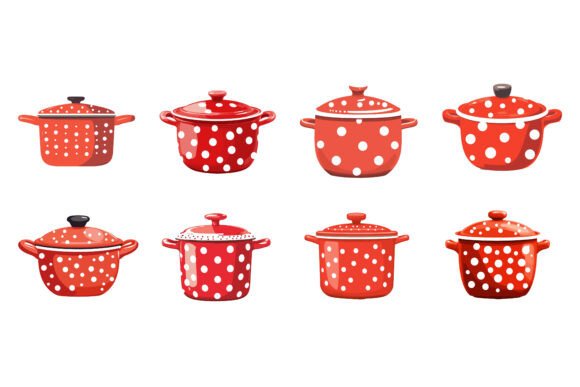
Enamel saucepans are also an excellent match for those who enjoy cooking with wine or vinegar reductions. The coating handles gentle simmering beautifully, and the even heat distribution of a quality pan reduces the likelihood of hot spots that might scorch delicate ingredients. People who value aesthetics in the kitchen often love the way a brightly colored enamel saucepan looks hanging from a pot rack or resting on an open shelf.
Another strong fit is for cooks who want a single pan that can handle both savory and sweet tasks without residual flavors. Because the glass surface does not absorb odors or tastes, you can make a garlicky sauce, wash the pan, and then simmer a vanilla-infused milk without any transfer.
When Alternatives Might Be Worth Considering
While enamel saucepans offer unique advantages, there are situations where other materials make more sense. If you cook on an induction cooktop, you’ll need to verify that the base of the enamel pan is built with a magnetic material—some enameled steel pans work well, but enameled aluminum will not be compatible without a special base layer. In such cases, a stainless steel saucepan with an encapsulated aluminum core might be a more predictable choice.
For those who frequently rely on dishwashers, enamel saucepans can technically be washed in a machine, but the harsh detergents and high heat may gradually dull the finish and weaken the bonding along the rim. A fully dishwasher-safe stainless steel or hard-anodized pan could reduce long-term maintenance concerns.
If your cooking style demands quick temperature changes—like rapidly dropping heat from a rolling boil to a simmer—the thermal mass of an enameled cast iron saucepan can be sluggish. A thinner, more responsive material like copper or multi-clad stainless steel might serve you better.
Budget-conscious buyers who need an entire set of basic cookware may also find that a simple, uncoated stainless steel saucepan offers comparable performance without the higher price tag associated with quality enameling.
Making a Practical Decision
Selecting the right enamel saucepan involves weighing your typical cooking tasks against the inherent characteristics of the material. Start by considering the core. Enameled cast iron is wonderfully heat-retentive but heavy; enameled carbon steel is lighter and heats faster, though it may be less common. Look for thick, even layers of enamel with no visible pinholes or rough edges at the rim—these are signs of quality construction that reduces chipping risk.
Think about the handle design. A long, ergonomic handle made of metal or coated with a heat-resistant material will improve comfort and control. For smaller saucepans, a helper handle opposite the main grip can be useful when the pan is full.
Your cooking volume should also guide you. A 1.5-quart saucepan suits single servings of oatmeal or a warm sauce, while a 3-quart or larger version is better for preparing batches of soup or larger reductions. Remember that enamel saucepans usually require a lower heat setting than you might use with bare metal, so you may need to adjust your technique slightly.
If your kitchen priorities align with gentle, flavor-preserving cooking and you’re willing to hand-wash and handle the pan with care, an enamel saucepan can be a rewarding addition. If durability under rough use, dishwasher convenience, or high-heat resilience are more critical, you may find better alignment with other materials.
Extending Your Kitchen Creativity: Quality Illustration Resources
For individuals and businesses creating culinary content—whether for recipe blogs, digital cookbooks, infographics, or kitchen-related mobile apps—having access to polished visual assets is as important as choosing the right tools. Just as an enamel saucepan blends function with beauty, well-crafted illustrations can elevate educational and promotional materials. Designers often seek vector-based artwork that remains sharp at any size and can be customized to fit specific branding or instructional needs.
While researching the enamel saucepan or other kitchenware, you might also encounter a need for high-quality, editable graphics that represent these objects clearly. This is where thoughtfully organized illustration sets become valuable. A professionally built AI EPS collection can provide vector files that capture the fine details of cookware, utensils, and ingredients, allowing for seamless integration into print and digital projects.
One such resource includes AI EPS and JPG file formats, designed to work smoothly on both Mac and Windows systems. The file structure is neatly organized with clearly labeled layers, making it simple to locate individual elements and apply modifications. The consistency and perfection in detailing ensure that every icon or graphic maintains a uniform style, which is essential when assembling a cohesive visual identity for a brand or publication.
Because these illustrations are vector-based, they are suitable for a wide range of applications—from high-resolution print materials like flyers and recipe cards to web graphics, symbols, app interfaces, and infographics. Users can easily edit colors, adjust proportions, and customize the icons to align with particular color palettes or design standards without sacrificing resolution or quality. This flexibility supports both rapid prototyping and final production.
For anyone developing kitchen-themed content or educational cooking tools, having access to editable vector illustrations of items like saucepans, mixing bowls, and fresh produce can streamline the design process. Instead of commissioning custom artwork or settling for generic stock photos, a well-structured illustration set offers a practical balance of professional polish and creative control. It turns a simple visual need into an opportunity for distinctive, tailored design.
Whether you are refining the visuals for a recipe app or preparing a print guide on essential cookware, pairing thorough knowledge of tools like the enamel saucepan with high-quality graphic resources creates a more engaging and informative experience for your audience.